
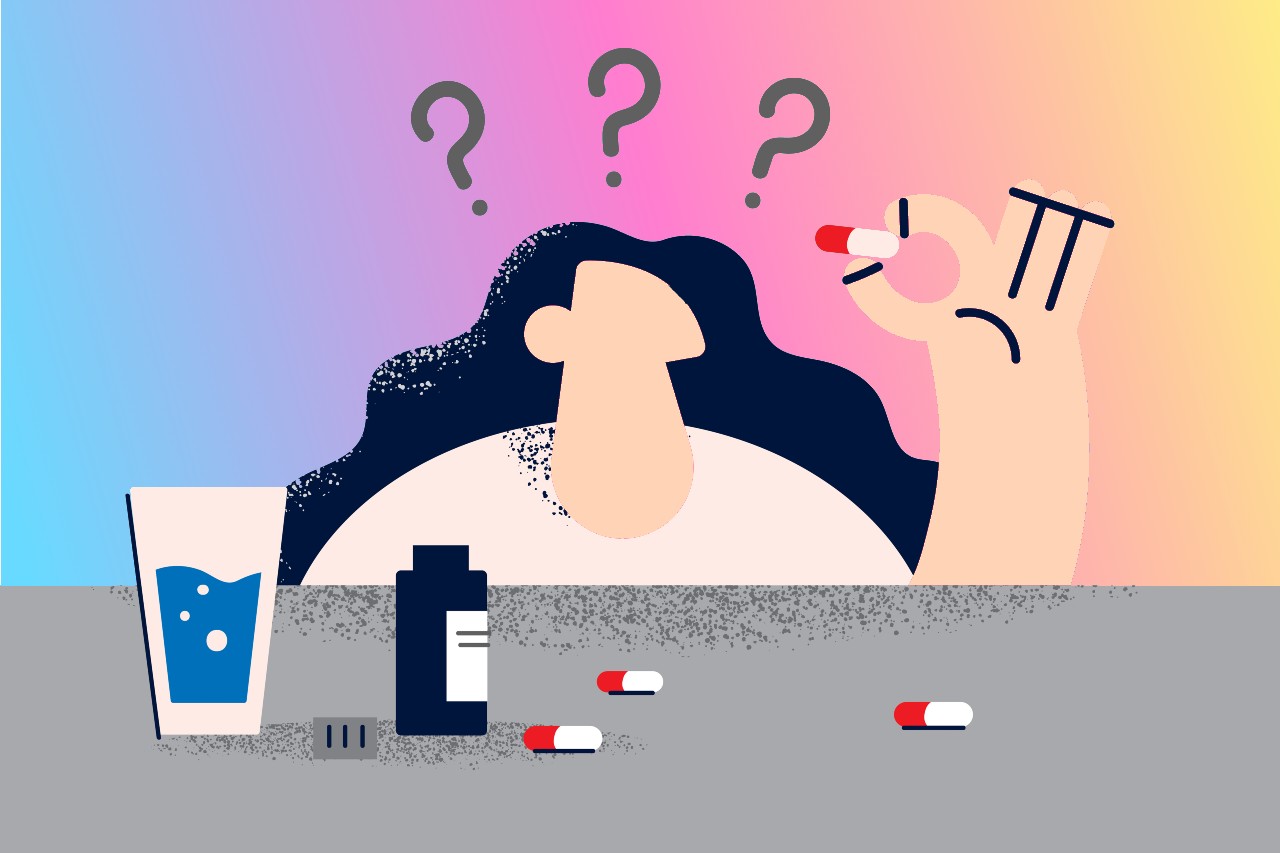
Antidepressant medications are an important component of therapy strategies for many people, helping to manage depression symptoms and improve overall well-being. However, not all medications work for every individual, and not everyone may experience the desired level of improvement from these drugs. If you find that your prescribed depression medications aren’t working or aren’t as effective as they once were, there are other treatments available that can supplement or replace antidepressants.
Here’s the latest and effective approaches to managing depression when antidepressants fall short, based on current information as of October 2025.
Our psychiatrists offer evidence-based mental health treatments and the latest psychiatric medication options through convenient online visits across California or in-person at our locations in the Los Angeles area. Schedule your appointment today.
How Effective Are Antidepressants? Understanding Treatment-Resistant Depression
If your antidepressant medications aren’t providing relief despite taking them for several weeks or months, you should know that this is somewhat common.
What is treatment-resistant depression (TRD)?
Current depression rates in the U.S. remain at all-time highs and have been climbing since the COVID-19 pandemic. According to a Gallup Poll, an estimated 47.8 million Americans are projected to struggle with depression in 2025.1 While 30% of those who have been diagnosed with major depressive disorder (MDD) and have completed their first antidepressant trial achieve full remission, the remaining 70% who experience partial or no response form the basis for treatment-resistant depression (TRD).2
TRD is defined as a lack of response or failure to achieve remission after two or more adequate trials of antidepressant medications at the correct dose and duration. For those who haven’t found adequate relief from their depression with antidepressants, you’re not alone, and there are numerous alternative and non-drug treatments available that can make a significant difference.
Efficacy of depression medication
For individuals who have tried traditional treatments like selective serotonin reuptake inhibitors (SSRIs), serotonin-norepinephrine reuptake inhibitors (SNRIs), and tricyclic antidepressants (TCAs) without success, it’s important to know you’re not alone. Recent data shows that approximately half of people don’t notice improvement in their depression symptoms, whether they are taking SSRIs, SNRIs, or TCAs.3
Sometimes, antidepressants lose effectiveness over time, a phenomenon known as breakthrough depression. While you may have found relief from depression symptoms with a certain type of antidepressant medication in the past, if you’re starting to notice that antidepressant isn’t working like it is supposed to, it’s important to reach out to a mental health professional.
How We Can Help: Psychiatric Medication Management in California
Signs Your Antidepressant Medication Isn’t Working
If you suspect your psychiatric medication isn’t effective, it’s critical to communicate your concerns and inform your healthcare professional for a comprehensive psychiatric evaluation. There are several potential signs to be mindful of, including:
- Persistent or worsening symptoms: If your depression persists or intensify despite taking the prescribed medication for a significant period, it may indicate that the current medication is not adequately addressing your condition.
- Minimal improvement in daily functioning: If you notice little to no improvement in your ability to engage in daily activities, fulfill responsibilities, or enjoy previously pleasurable activities, it could suggest that the medication is not effectively managing your depression symptoms.
- Ongoing sleep disturbances: Difficulty falling asleep, staying asleep, or experiencing excessive sleepiness even after being on antidepressant medication may indicate a need for reassessment.
- Emotional fluctuations: If you are experiencing frequent mood swings, persistent irritability, or feelings of sadness and loneliness despite adherence to the prescribed regimen, it could suggest the medication may not be stabilizing your mood effectively.
- Persistent or severe side effects: While some antidepressant side effects are common when starting, if you are experiencing severe or persistent side effects that significantly impact your daily life, it’s important to discuss this with your psychiatrist.
- Emergence or worsening of suicidal thoughts: If you notice an increase in suicidal thoughts or feelings of self-harm after starting medication, it is crucial to seek immediate medical attention.
- Lack of energy or motivation: Persistent fatigue or apathy, even after weeks of treatment, may suggest the medication isn’t addressing core symptoms like low energy, a common issue with TRD.
- Cognitive symptoms: Difficulty concentrating or memory issues that don’t improve could indicate the antidepressant isn’t fully effective, as cognitive dysfunction is a key feature of depression.
- Physical symptoms: Unexplained physical complaints, like headaches or body aches, that persist may be linked to untreated depression, as somatic symptoms are common in some patients.
Remember, everyone’s response to medication is unique, and it may take time to find the right treatment approach. Open and honest communication with your healthcare provider is essential to address any concerns, adjust medication if necessary, or explore alternative treatment options to optimize your mental health care.
Related: Fast Acting Antidepressants
Common Options for Antidepressant Medications and How They Work
Depression can be difficult to manage, and the journey of finding the right medications might be one of trial and error. Not every medication works the same for everyone or is equally effective for everyone, but the good news is research is ongoing, and there are several different medications currently available to treat depression.
While all antidepressants affect the brain, each type has different mechanisms of action, which means they target various neurotransmitters. Neurotransmitters serve as messengers that communicate between cells in the brain. These messengers, in turn, work to change brain chemistry, which reduces or relieves depression and regulates moods.
There are many different classes of antidepressant medications. The most common are selective serotonin reuptake inhibitors (SSRIs), serotonin-norepinephrine reuptake inhibitors (SNRIs), atypical antidepressants, serotonin modulators, tricyclic antidepressants (TCAs), and monoamine oxidase inhibitors (MAOIs).
Selective serotonin reuptake inhibitors (SSRIs)
SSRIs remain the most commonly prescribed first-line medications for treating depression and work by increasing serotonin levels in the brain, helping to regulate mood and emotions.4
SSRIs include:
- Prozac (fluoxetine).
- Zoloft (sertraline).
- Celexa (citalopram).
- Lexapro (escitalopram).
- Paxil (paroxetine).
- Luvox (fluvoxamine).
SSRIs are also used to treat a number of other types of mental illness including MDD, generalized anxiety disorder (GAD), obsessive-compulsive disorder (OCD), post-traumatic stress disorder (PTSD), and other conditions.
Serotonin-norepinephrine reuptake inhibitors (SNRIs)
SNRIs work differently than SSRIs as they target both serotonin and norepinephrine, providing a dual mechanism of action for managing depressive symptoms.
SNRIs include:
- Effexor (venlafaxine).
- Pristiq (desvenlafaxine).
- Cymbalta (duloxetine).
- Savella (milnacipran).
- Fetzima (levomilnacipran).
Atypical antidepressants
Atypical antidepressants include medications that do not fit into the traditional classifications but can still be effective in treating depression and have several mechanisms of action.
Atypical antidepressants include:
- Wellbutrin (bupropion).
- Remeron (mirtazapine).
- Auvelity (dextromethorphan and bupropion).
- Valdoxan (agomelatine).
Because atypical antidepressants are more of a catch-all term to include depression medications that aren’t SSRIs, SNRIs, TCAs, and MAOIs, each type works differently and has different onset times — or the amount of time it takes for you to feel the medications effects. For example, Wellbutrin typically takes about two weeks to show initial improvement in symptoms and about four weeks to reach full efficacy. This medication has shown similar remission rates to SSRIs and has a median time to relapse of 44 weeks — in other words, depression typically returns after 10 to 11 months of medication discontinuation.5 However, Wellbutrin should be avoided in seizure-prone patients.
Additionally, Remeron works by enhancing norepinephrine and serotonin neurotransmission through a unique mechanism that also reduces cortisol levels. Long-term studies of up to 40 weeks show sustained response and lower relapse rates compared to the placebo,6 and evidence suggests it may be beneficial for those with TRD.7
Tricyclic antidepressants (TCAs)
Similar to SNRIs, TCAs work by preventing the reuptake of serotonin and norepinephrine, and also interact with multiple other receptor systems in the brain. TCAs are no longer considered first-line treatments due to their potential for cardiac toxicity, higher risk of overdose, and less favorable side effect profile, which includes dry mouth, constipation, blurred vision, orthostasis, and various cardiac effects like arrhythmias. Because of these risks, TCAs require careful monitoring from a mental health professional and are typically reserved for those who haven’t responded to safer first-line options.
TCAs include:
- Elavil (amitriptyline).
- Anafranil (clomipramine).
- Prudoxin (doxepin).
- Tofranil (imipramine).
- Surmontil (trimipramine).
- Norpramin (desipramine).
- Pamelor (nortriptyline).
- Vivactil (protriptyline).
- Ludiomil (maprotiline).
- Asendin (amoxapine).
While recent studies show that TCAs may have a similar efficacy rate to SSRIs and SNRIs,3 they are known to cause more significant side effects due to anticholinergic activity. Because of these side effects, TCAs are generally reserved for TRD. TCAs are also used “off-label” to help treat migraines, fibromyalgia, and neuropathic pain, with recommended blood level monitoring for safety.6
Monoamine oxidase inhibitors (MAOIs)
Monoamine oxidase inhibitors (MAOIs) are a distinct class of antidepressants that work by blocking the enzyme monoamine oxidase, which is responsible for breaking down serotonin, norepinephrine, and dopamine. They are used to treat depression and anxiety disorders such as panic disorder and social phobia.7
MAOIs include:
- Selegiline.
- Moclobemide.
- Tranylcypromine.
- Isocarboxazid.
- Phenelzine.
Despite MAOIs having shown comparable effectiveness to TCAs for treating TRD,8 they are typically only used when other medications haven’t provided adequate relief. This is because MAOIs require several dietary restrictions — such as avoiding aged cheeses and cured meats — which can cause dangerously high blood pressure. They also interact with many common medications and require careful monitoring, making them a last-resort option despite their effectiveness.
Serotonin modulators
Serotonin modulators are an alternative to SSRIs and SNRIs for adults experiencing MDD that have similar response rates.9 These medications work by affecting serotonin receptors alongside reuptake inhibition to treat OCD, anxiety, and depression and offer benefits in cognition, emotional regulation, and sexual function.
Serotonin modulator antidepressants include:
- Serzone (nefazodone).
- Desyrel and Oleptro (trazodone).
- Vlibryd (vilazodone).
- Trintellix (vortioxetine).
Trintellix is an FDA-approved antidepressant for adults with MDD and stands out as having superior cognitive benefits such as attention and memory retention when used to treat MDD.10 Additionally, long-term trials show sustained remission and few antidepressant-induced sexual side effects.11
Related: SSRI Weight Gain
Alternative Depression Treatments
Alternative depression treatments offer individuals different approaches to managing depression symptoms compared to traditional oral antidepressant medication. These approaches provide individuals with a range of options to explore in their journey toward finding effective and personalized strategies for managing and alleviating symptoms of depression. Although they are typically not yet used as first-line treatment options, they can be just as or more effective as oral antidepressants.
Transcranial magnetic stimulation (TMS) therapy
Transcranial magnetic stimulation (TMS) therapy is a non-invasive procedure that is FDA-approved to treat OCD and depression. When traditional antidepressant medications fail to provide the desired relief, TMS therapy can be an effective alternative.
TMS for depression stimulates specific areas of the brain that may be underactive in depressive patients and are responsible for regulating mood. This non-invasive procedure has shown promising results, particularly for individuals who have not responded well to antidepressant medication. By targeting the underlying neural circuitry of depression, TMS therapy offers a unique approach to treatment that has been proven effective for depression with minimal side effects.
Related: Is TMS Right for Me? 8 FAQs To Help Decide
Holistic Treatments for Depression
In addition to these medical interventions, holistic methods for depression can also play a key role in providing relief. Holistic approaches recognize the interconnectedness of the mind, body, and spirit and aim to address the underlying causes of depression rather than simply alleviating symptoms.
Psychotherapy
Engaging in talk therapy can benefit individuals by helping them develop coping strategies, challenge negative thought patterns, and improve emotional well-being. Psychotherapy is often recommended as the first-line treatment for mild to moderate MDD, with recent studies reinforcing its efficacy.
Evidence has shown that two types of psychotherapy may be particularly helpful in depression treatment: cognitive behavioral therapy (CBT) and interpersonal therapy (IPT). Once individuals reach remission, CBT, psychoeducational intervention (PEI), and mindfulness-based cognitive therapy (MBCT) are suggested for maintaining and preventing depression. Psychotherapy is also important in maintaining remission and preventing relapses and remains a cornerstone in both acute treatment and long-term management of depression, with ongoing research supporting its adaptability and effectiveness across diverse delivery formats.
Exercise and healthy lifestyle habits
Regular physical activity is good for everyone, but evidence shows that engaging in activities such as walking, yoga, or jogging can help reduce symptoms of depression and promote overall well-being.5 Additionally, maintaining good sleep hygiene, maintaining a balanced diet, and avoiding excessive alcohol or substance use can help improve symptoms of depression.
Prioritizing sleep helps stabilize moods and emotions, while maintaining a balanced diet provides the body with essential vitamins and minerals to keep the mind functioning properly. Avoiding excessive alcohol and substance use ensures that the body is not introducing any chemicals or toxins into the system that could further damage mental health. All of these factors contribute to improved mental and physical health, helping to reduce the symptoms of depression.
Related: Mood-Boosting Workouts You Can Do From Home
Talk To Your Doctor Before Making Changes to Your Medication
If you continue to struggle with persistent depression symptoms or unwanted side effects, it may be time to talk to your psychiatrist about making changes to your treatment. Discussing your side effects or concerns is important so they can help advise on the next steps. Sometimes, remission can be achieved by changing antidepressant medications or adding an augmenter. You can also ask them about all your mental health treatment options, including drug-free alternatives, like TMS therapy.
Related: Best Antidepressants for Teens
How Neuro Wellness Spa Can Help When Antidepressants Aren’t Working
If you or a loved one is seeking relief from the burdensome symptoms of depression or another mental health condition, we invite you to take the first step towards a brighter future. Our team of trained mental health professionals is dedicated to understanding your unique needs and crafting a comprehensive treatment plan tailored to your specific goals.
At Neuro Wellness Spa, we offer a range of innovative therapies and cutting-edge techniques that have shown remarkable success when medications have not provided relief from symptoms like depression, anxiety, PTSD, and more. From TMS therapy to medication management and talk therapy, our evidence-based treatments are designed to address the root causes of your condition and provide lasting relief. Contact us today to schedule an appointment with a psychiatrist and start this journey towards a healthier, happier you.
References
- Witters, D. (2025, September 9). U.S. depression rate remains historically high. Gallup.com. https://news.gallup.com/poll/694199/u.s.-depression-rate-remains-historically-high.aspx
- Major Depression. (n.d.). National Institute of Mental Health (NIMH). https://www.nimh.nih.gov/health/statistics/major-depression
- Institute for Quality and Efficiency in Health Care (IQWiG). (2024, April 15). Depression: Learn More – How effective are antidepressants? InformedHealth.org – NCBI Bookshelf. https://www.ncbi.nlm.nih.gov/books/NBK361016/
- Chu, A., & Wadhwa, R. (2023, May 1). Selective serotonin reuptake inhibitors. StatPearls – NCBI Bookshelf. https://www.ncbi.nlm.nih.gov/books/NBK554406/
- Schwasinger-Schmidt, T. E., & Macaluso, M. (2018). Other antidepressants. Handbook of Experimental Pharmacology, 325–355. https://doi.org/10.1007/164_2018_167
- Moraczewski, J., Awosika, A. O., & Aedma, K. K. (2023, August 17). Tricyclic antidepressants. StatPearls – NCBI Bookshelf. https://www.ncbi.nlm.nih.gov/books/NBK557791/
- Laban, T. S., & Saadabadi, A. (2023, July 17). Monoamine oxidase inhibitors (MAOI). StatPearls – NCBI Bookshelf. https://www.ncbi.nlm.nih.gov/books/NBK539848/
- Karrouri, R., Hammani, Z., Benjelloun, R., & Otheman, Y. (2021). Major depressive disorder: Validated treatments and future challenges. World Journal of Clinical Cases, 9(31), 9350–9367. https://doi.org/10.12998/wjcc.v9.i31.9350
- Zhang, X., Cai, Y., Hu, X., Lu, C. Y., Nie, X., & Shi, L. (2022). Systematic Review and Meta-Analysis of Vortioxetine for the Treatment of Major Depressive Disorder in Adults. Frontiers in Psychiatry, 13. https://doi.org/10.3389/fpsyt.2022.922648
- Gonda, X., Sharma, S. R., & Tarazi, F. I. (2018). Vortioxetine: a novel antidepressant for the treatment of major depressive disorder. Expert Opinion on Drug Discovery, 14(1), 81–89. https://doi.org/10.1080/17460441.2019.1546691