

TMS Therapy for Memory Loss in Los Angeles, CA
What is TMS therapy?
At Neuro Wellness Spa, we specialize in a type of treatment called transcranial magnetic stimulation (TMS). Since 2009, our center has used TMS in the treatment of several mental health disorders – including Alzheimer’s Disease.
TMS is non-invasive (does not require surgery), non-systemic (does not affect the entire body) and well-tolerated. TMS therapy can be used alone, or in conjunction with other treatment modalities including behavioral therapies and medication.
Alzheimer’s is a disease that affects both patients and those around them. With TMS treatments, patients may experience some relief from symptoms. In several studies, TMS has been effective in treating mild symptoms of Alzheimer’s. Contact us today to learn more about TMS or to schedule an appointment.
We are in-network with nearly every insurance provider.








How does TMS therapy work?
Medication isn’t the only option
TMS is both non-invasive and non-systemic, and has fewer side effects than other treatments. In some cases, no side effects at all. Other treatments rely on deep brain stimulation or vagus nerve stimulation. Unlike those treatments, TMS does not require electrode implantation or surgery. It will not cause seizures or require the use of anesthesia sedation. In fact, TMS will not affect cognitive function. Patients can go about daily activities following treatment.
With many TMS clinics located throughout Southern California to choose from, we will show you exactly how the TMS therapy process works before your first session. When you make an appointment, you’ll see in person how TMS works and feels before deciding if its the right choice for you.


Drug-free, noninvasive depression treatment
TMS safely treats symptoms of ocd, anxiety and depression. It relies on the use of magnetic energy. This stimulates parts of the brain affected by mental health disorders.
It began as a treatment option for non-responsive depression. Since, it has grown to include other disorders as well. However, it remains a depression alternative treatment option for many people. The Neuro Wellness Spa in Los Angeles is one of the top providers of TMS therapy in the nation.
How is Alzheimer’s disease treated with TMS?
Increasing evidence suggests that TMS, in combination with other medications or therapies like cognitive training, is effective at reducing Alzheimer’s disease symptoms. When employed together, these treatments have been shown to significantly improve comprehension, action naming, and object naming abilities.
During TMS treatment sessions, patients relax in a treatment chair and a TMS magnet is placed over the patient’s scalp. The magnet delivers pulses to specific areas of the brain. These pulses feel like taps on the head.
At NWS, we understand how scary an Alzheimer’s diagnosis can be. Contact us today to learn more about TMS for Alzheimer’s or to schedule a consultation at our Los Angeles office.
Alzheimer’s disease statistics
Alzheimer’s is one of the most common neurological diseases in the world. There are approximately 44 million people worldwide living with Alzheimer’s.
- In the United States alone, Alzheimer’s disease affects an estimated 5.5 million people.
- About 2/3 of Americans with the disease are women.
- The average life expectancy after a diagnosis is between 4 to 8 years.
- At the moment, Alzheimer’s is one of the leading causes of death in America that does not have a cure.
Researchers are investigating new treatment modalities to help those with Alzheimer’s disease. TMS is one of the many treatments being investigated. Although Alzheimer’s disease does not have a cure, TMS may help relieve symptoms. At Neuro Wellness Spa, we are here to help. Contact us today to set up an initial consultation.
Signs & symptoms of Alzheimer’s disease
Early Alzheimer’s symptoms sometimes go unnoticed. Common early symptoms of Alzheimer’s may include:
- Memory loss, especially that which can disturb routine
- Taking longer to complete regular tasks
- Repeating questions or stories
- Wandering or getting lost, even in familiar spots
- Increased anxiety and/or aggression
- Poor judgment and bad decisions
- Loss of initiative and spontaneity
TMS works best in the treatment of mild Alzheimer’s disease. Moderate Alzheimer’s disease begins when the above symptoms worsen. Signs of Alzheimer’s disease progression may include:
- Inability to retain new information
- More confusion and memory loss
- Shortened attention span
- Problems recognizing familiar faces, including loved ones
- Hallucinations and paranoia
- Inappropriate outbursts
- Increased anxiety and restlessness, especially later in the day
Moderate Alzheimer’s symptoms can still be treated with TMS. Signs that a higher level of care may be needed include:
- Loss of bodily function controls
- Weight loss
- Seizures
- Other worsening physical signs
TMS, particularly when combined with other treatment modalities, can help Alzheimer’s patients manage their symptoms. Contact us today to learn more.ed “off-label.” However, there is a growing body of research indicating the potential benefits of these off-label applications for a variety of mental health conditions. Please consult with a psychiatrist to learn more about TMS and off-label uses.
Get started with TMS for Alzheimer’s disease
At Neuro Wellness Spa, we empathize with the impact your mental health can have on your life. We believe you deserve access to the highest quality treatment programs and services tailored to meet your unique needs. Our expert team specializes in delivering transformative care for individuals coping with mental health issues. Our clients place their trust in us to navigate them through treatment, empowering them to heal from mental health challenges effectively.


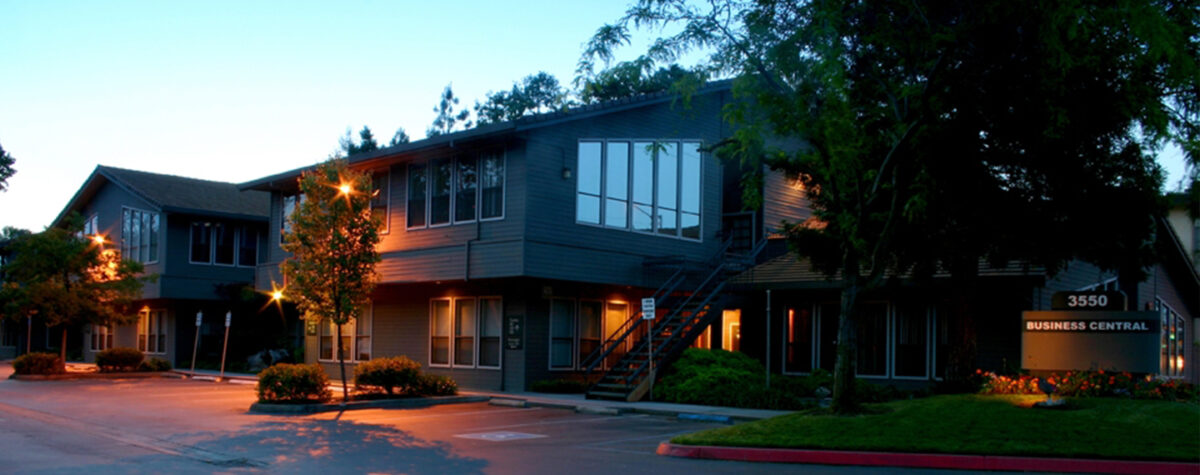
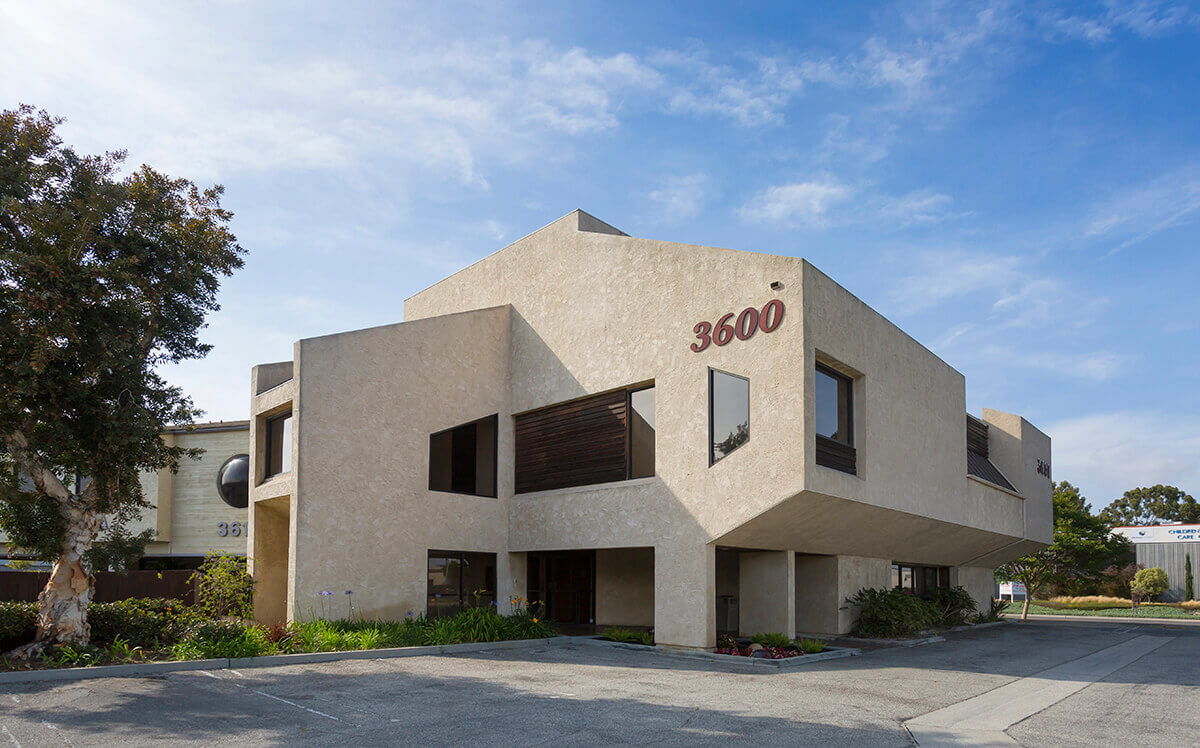
Our locations










Frequently asked questions
Read through our FAQ for any questions you may have or give us a call today. We are here to answer your questions and support you or your loved one through their healing journey.
Is TMS effective for Alzheimer’s disease?
The long-term effects of TMS still require further research. However, short-term studies have shown promise for treating TMS and cognitive training. It can lead to improvements in spoken comprehension. Overall, understanding significantly improved in patients who received TMS compared to those who received a placebo.
TMS has also been shown to improve sleep. Essentially, it can help improve or relieve some of the common symptoms of Alzheimer’s and improve quality of life.
How long does it take for TMS to start working?
Ultimately, the effectiveness of TMS treatments varies from person to person. No two people respond to treatments the exact same way. Some patients have reported feeling relief after the first treatment session. Other patients may take 3 to 4 weeks.
Despite this, nearly all patients report that at the end of the treatment cycle, they notice overall improvement and worry less about relapses.
Can TMS exacerbate Alzheimer’s disease symptoms?
TMS, like any treatment, can have some side effects. However, most patients report only a mild headache. This may be from the noise or the tapping of the machine. This headache wears off quickly.
As of the present date, there haven’t been any indicators that TMS can worsen Alzheimer’s symptoms.
What degree of Alzheimer’s can TMS treat?
TMS works best on mild to moderate cases of Alzheimer’s. This is because it targets cognitive and mood-based symptoms early in the disease. TMS better serves patients with less severe cases.
Why use TMS to treat Alzheimer’s disease?
TMS targets cognitive dysfunction, and lack of sleep. TMS is non-invasive and requires no surgery. Thus, it is an easy solution for many patients and caregivers to improve their quality of life.
Are other therapies recommended alongside TMS treatments for Alzheimer’s disease?
Absolutely. Most disorders and diseases do improve when treated from multiple angles. TMS is often recommended alongside cognitive training. Together, they can improve brain function. It may even slow the deterioration that accompanies serious Alzheimer’s.
You can also combine treatment with medicines as recommended by a medical professional. TMS and other cognitive therapies work best together. Consult with a doctor before seeking treatment.
Latest resources
-

Warning Signs of Suicide: When To Seek Therapy or Psychiatric Care
Know the warning signs of suicide, understand what they mean, and find out when therapy or psychiatric care can help.
-

How to Get Anxiety Medication for Teens: A Parent’s Roadmap
Curious about anxiety medication for your teen? Learn more about the process, potential benefits, and recommendations from teen mental health…
-

Lexapro vs. Zoloft: What’s the Difference and How Do You Choose?
Wondering what the difference is between Lexapro vs. Zoloft? Learn more about these two antidepressants and how to determine which…
View our complete archive of resources from our expert contributors:
What our patients are saying:
Contact us
For more information about our services, or to find out if your treatment is covered by your health insurance, contact our expert clinical team today by completing this form.