

Anxiety is one of the most common mental health concerns in the U.S., impacting more than 40 million adults.1 Its effects can be far-reaching, often impacting daily activities and an individual’s overall quality of life. Among the array of treatments, Xanax has emerged as a frequently prescribed medication to address anxiety, but it’s just one among many options to treat generalized anxiety disorder (GAD).
Shedding light on alternatives to Xanax can lead those struggling with anxiety to try other treatments that are less habit-forming yet just as effective for long-term anxiety management. In recent years, the medical field has significantly advanced in understanding anxiety and developing alternative treatments. Here’s a look at some of those treatments, including the powerful benefits of psychotherapy and holistic options that are proven to provide anxiety relief.
Our psychiatrists offer evidence-based mental health treatments and the latest psychiatric medication options through convenient online visits across California or in-person at our locations in the Los Angeles area. Schedule your appointment today.
Anxiolytic Medications
Anxiolytic medications — also known as anti-anxiety drugs — are psychiatric medications used to prevent and treat anxiety disorders. They work by targeting key neurotransmitters in the brain, which serve as chemical messengers that send signals between different nerve cells in the brain.
The primary neurotransmitter involved in anxiety is gamma-aminobutyric acid (GABA), which reduces nerve cell activity in the brain. In individuals with anxiety disorders, disrupted GABA signaling can contribute to heightened anxiety and excessive worry. Anxiety medications — including both benzodiazepine and non-benzodiazepine medications — work by enhancing GABA activity, helping to restore balance and calm an overactive nervous system to promote calm and relaxation.
Benzodiazepine medications
Benzodiazepines — or benzos for short — are a class of sedative-hypnotic prescription drugs used to treat conditions such as anxiety, epilepsy, and insomnia. These medications attach themselves to specific receptors in the brain, enhancing the effects of GABA and depressing the central nervous system. As a result, there’s less nerve cell activity, which can lead to feelings of sedation, relaxation, and reduced anxiety.
Some common benzodiazepines include:
- Alprazolam (Xanax).
- Clonazepam (Klonopin).
- Diazepam (Valium).
- Lorazepam (Ativan).
Each one of these medications acts upon the brain in a very similar way and can therefore be an effective Xanax alternative. However, the side effects of benzodiazepines can vary depending on the specific medication and individual factors and include:
- Drowsiness, insomnia, or sleep problems.
- Dizziness, blurred or double vision, or fainting leading to coordination issues, which could make falling or accidents more likely.
- Nausea, vomiting, diarrhea, or constipation.
- Dry mouth.
- Tremors.
- Headaches.
- Decreased libido or sexual problems.
- Irritability or excitability.
- Changes in behavior, such as increased risk-taking.
- Forgetfulness, confusion, or delirium, which is especially common in older people.
While benzos can be effective for managing severe anxiety and panic disorders, they may not be suitable for individuals with a personal or family history of addiction. It’s important to note that Xanax and other benzodiazepines have the potential to create dependence and should only be used under the guidance of a medical practitioner.2 Even for those without a history of addiction, people taking benzos for an extended period are at a higher risk of developing physical dependence on these medications, which can lead to withdrawal symptoms and addiction.
If you’re considering taking anxiety medication long term for an anxiety disorder or post-traumatic stress disorder (PTSD), exploring alternatives to Xanax may be a good idea. For example, cognitive behavioral therapy (CBT), mindfulness techniques, or nonaddictive medication alternatives can provide effective solutions while minimizing the potential for dependence, addiction, and severe Xanax withdrawal symptoms.

Non-benzodiazepine medications
Several non-benzodiazepine medications are used to treat anxiety disorders. These medications are often preferred over benzodiazepines because they lower the risk of dependence and addiction. Here are some examples of other anti-anxiety medications that are not benzodiazepines but can still be used to treat anxiety.
SSRIs and SNRIs
Two types of antidepressants, selective serotonin reuptake inhibitors (SSRIs) and serotonin-norepinephrine reuptake inhibitors (SNRIs), are often considered first-line drugs for treating anxiety. SSRIs elevate serotonin levels in the brain, a neurotransmitter that controls mood, sleep, and appetite. On the other hand, SNRIs work by raising the brain’s level of serotonin and norepinephrine — neurotransmitters that control energy levels, mood, and responses to stress.
Common SSRIs used to treat anxiety include:
And common SNRIs include:
- Venlafaxine (Effexor).
- Duloxetine (Cymbalta).
- Desvenlafaxine (Pristiq).
The possible side effects of SSRIs and SNRIs are generally similar and may include:3
- Nervousness or fatigue.
- Headache, sweating, or tremors (shaking).
- Nausea, diarrhea, or constipation.
- Sexual dysfunction.
- Appetite changes leading to either a decrease or increase in body weight.
SSRIs, SNRIs, and other antidepressant medications are good long-term alternatives to Xanax because they are not habit-forming and, therefore, do not carry the same risk of substance misuse as benzodiazepines. It may take several weeks for SSRIs and SNRIs to alleviate anxiety symptoms, so they should be taken consistently to maintain effectiveness.
Beta blockers
Beta-blockers are sometimes used off-label to treat anxiety and work by preventing the stress hormone adrenaline (epinephrine) from contacting the beta receptors, which prevent the heart from pumping harder or faster. This helps decrease the physical symptoms of anxiety, such as a fast heart rate, shaky voice or hands, sweating, and dizziness. Like any medication, beta-blockers may cause side effects like fatigue, dizziness, and low blood pressure.
It is important to note that the medication your prescribed will depend on your needs, preferences, and your mental health care provider’s recommendations. Medication is often used with other treatments and types of therapy to treat anxiety disorders effectively.
Related: Best Medication for OCD and Anxiety
Spravato
Spravato, also known as esketamine, is a nasal spray prescribed by doctors that’s FDA-approved to effectively treat treatment-resistant depression (TRD) and major depressive disorder (MDD) in individuals with acute suicidal thoughts or behaviors. However, Spravato may also be used “off-label” to treat other conditions, including anxiety.
Spravato works differently than other medications — it’s a prescription drug that works to block the N-methyl-D-aspartate (NMDA) receptor in the brain, which is involved in learning, memory, and regulating mood and anxiety. By blocking the NMDA receptor, Spravato increases levels of glutamate, which may help restore neural pathways disrupted in depression and anxiety.
The most commonly reported side effects include:
- Sleepiness.
- Dizziness or vertigo.
- Nausea or vomiting.
- Dissociation.
It’s important to note that not all people will encounter these side effects, and there may be additional side effects not listed here.
Related: Understanding and Treating Anxiety in Men
Psychotherapy
Anxiolytic medications are typically prescribed for short-term use, as they can be habit-forming and may lead to dependence if taken for extended periods. They are often most effective when used alongside certain therapies for anxiety, such as CBT. Numerous studies have evaluated CBT’s impact on conditions ranging from physical and mental disorders — like anxiety and depression — to behavioral problems.4
CBT for anxiety helps individuals manage symptoms by addressing avoidant behaviors and safety-seeking habits that hinder correcting beliefs rooted in catastrophizing and excessively worrying. This process supports stress management, teaching you balanced thinking to improve your ability to cope during distressing situations and alleviating symptoms of stress-related disorders to support overall mental health. Additionally, CBT can help you reframe negative thought patterns that may have developed under the pressures of stress and that impact your behaviors and emotions.
Related: Is Online Therapy Effective? Mental Health Solutions for Digital Platforms
Transcranial Magnetic Stimulation (TMS) Therapy
Transcranial magnetic stimulation (TMS) therapy is a noninvasive procedure that sends magnetic pulses to the brain, which can alter underactive nerve cell activity in specific areas of the brain that help regulate mood. While TMS therapy for anxiety is not FDA-approved, emerging research suggests it might help manage anxiety symptoms.
TMS is a safe and well-tolerated procedure with minimal side effects compared to medication. Common side effects are generally considered mild and may include:
- Temporary tinnitus (wearing earplugs reduces the risk).
- Scalp irritation, discomfort, or headaches.
- Jaw, face, or neck pain.
- Dizziness.
- Fatigue.
- Facial muscle twitches.
This is not an exhaustive list, and discussing the pros and cons of TMS treatment with a mental health provider is recommended. They can answer any questions you may have and review your unique health needs and physical and mental health history to determine if you are a potential candidate for TMS treatment.
Related: TMS for OCD
Holistic Treatments
Several self-management techniques can help individuals manage their anxiety symptoms on their own, or be used in your spare time as you receive anxiety treatment.
Mindfulness
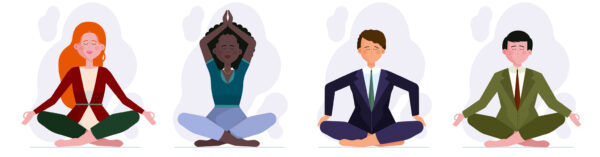
Mindfulness is a practice that revolves around cultivating a calm and open awareness of the present moment. It involves directing full attention toward one’s internal experiences, such as your thoughts, feelings, and sensations, while attuning to the external environment. Mindfulness-based interventions (MBIs) promotes openness, curiosity, and acceptance and includes practices like meditation, yoga, or guided mindfulness exercises — all of which help participants stay present to reduce anxiety.
Natural alternatives to Xanax
Natural Xanax alternatives will likely not be as effective as prescription medications, and people interested in natural alternatives to Xanax should know that natural supplements and herbs are not regulated by the FDA. Because of this, it is sometimes hard to be confident in the amount of a certain substance that you are taking, or whether it has been well studied.
However, there are some natural alternatives that people have reported help alleviate symptoms of anxiety, including:
- Valerian root is a popular herb that has been used for centuries to promote relaxation and ease anxiety. It may help improve sleep quality as well.
- Chamomile is a well-known herb with soothing properties that can help reduce anxiety and promote better sleep.
- Lavender essential oil or supplements have been shown to have calming effects and can be used to alleviate mild anxiety and stress.
- L-Theanine is an amino acid found in tea leaves, particularly in green tea. It can promote relaxation without causing drowsiness.
- Magnesium is a mineral that plays a role in relaxation and stress reduction. Low magnesium levels have been linked to increased anxiety.
- 5-HTP or 5-Hydroxytryptophan is a compound that the body produces from the amino acid tryptophan. It is involved in the production of serotonin, a neurotransmitter that contributes to feelings of well-being and happiness.
- Ashwagandha is another adaptogenic herb that may help lower cortisol levels and reduce anxiety and stress.
- Lemon balm is an herb that belongs to the mint family and has calming effects, making it useful for reducing anxiety and promoting relaxation.
Remember to consult a healthcare professional before incorporating any new herbs or supplements into your routine, especially if you have existing medical conditions or are taking other medications, as some of these compounds will interact with other medications in the body.
Healthy diet
Managing anxiety often involves making lifestyle adjustments. Although no diet can completely cure anxiety, being mindful of what you eat might help. Here are some suggestions:5
- Strive for balanced, nutritious meals: Eating well is essential for overall mental and physical health. Include plenty of fresh fruits and vegetables, and adding omega-3 fatty acid-rich fish like salmon to your diet can also be beneficial in improving anxiety.
- Opt for complex carbohydrates: These can boost serotonin in your brain, which can have a calming effect. Choose whole grains like oatmeal, quinoa, whole-grain bread, and cereals, avoiding sugary foods and drinks.
- Stay hydrated by drinking enough water: Any amount of dehydration can affect your mood.
- Be cautious with alcohol consumption: While drinking might have an immediate calming effect, alcohol can eventually make you feel depressed, edgy, and interfere with sleep.
- Limit or avoid caffeine: Caffeine-filled drinks can make you feel jittery, nervous, and disrupt your sleep.
Exercise and proper sleep hygeiene
Physical exercise may have protective effects against anxiety disorders and has been shown to reduce anxiety symptoms.6 Sleep is another factor, as sleep and anxiety have a strong bidirectional relationship — approximately 60% to 70% of those with GAD report symptoms of insomnia, and poor sleep can exacerbate anxiety symptoms. Implementing a proper sleep hygiene routine can help to break this cycle.7
Related: Holistic Treatments for Depression
How Neuro Wellness Spa Can Help Alleviate Anxiety Without Xanax
It is important to note that the most effective treatment approach for anxiety disorders often involves a combination of psychotherapy and medication management. If you or a loved one is struggling with anxiety, depression, or other mental health conditions, contact Neuro Wellness Spa today.
Our compassionate and skilled psychiatry and therapy team offers a variety of treatments that can support those diagnosed with an anxiety disorder, including in-person and online psychiatry for medication management, psychotherapy, and TMS therapy. Don’t let anxiety hold you back any longer.
References
- National Institute of Mental Health (n.d.). Any Anxiety Disorder. https://www.nimh.nih.gov/health/statistics/any-anxiety-disorder
- Edinoff, A. N., Nix, C. A., Hollier, J., Sagrera, C. E., Delacroix, B. M., Abubakar, T., Cornett, E. M., Kaye, A. M., & Kaye, A. D. (2021). Benzodiazepines: Uses, Dangers, and Clinical Considerations. Neurology International, 13(4), 594–607. https://doi.org/10.3390/neurolint13040059
- Bandelow, B., Michaelis, S., Wedekind, D., Treatment of anxiety disorders. Dialogues Clin Neurosci. 2017 Jun; 19(2): 93–107. doi: 10.31887/DCNS.2017.19.2/bbandelow
- Nakao, M., Shirotsuki, K., & Sugaya, N. (2021). Cognitive-behavioral therapy for management of mental health and stress-related disorders: Recent advances in techniques and technologies. BioPsychoSocial medicine, 15(1), 16. https://doi.org/10.1186/s13030-021-00219-w
- Sawchuck, C.N. (2017). Coping with anxiety: Can diet make a difference? Mayo Clinic. https://www.mayoclinic.org/diseases-conditions/generalized-anxiety-disorder/expert-answers/coping-with-anxiety/faq-20057987
- Kandola, A., & Stubbs, B. (2020). Exercise and Anxiety. Advances in experimental medicine and biology, 1228, 345–352. https://doi.org/10.1007/978-981-15-1792-1_23
- Staner, L. (2003). Sleep and anxiety disorders. Dialogues in Clinical Neuroscience, 5(3), 249–258. https://doi.org/10.31887/dcns.2003.5.3/lstaner