
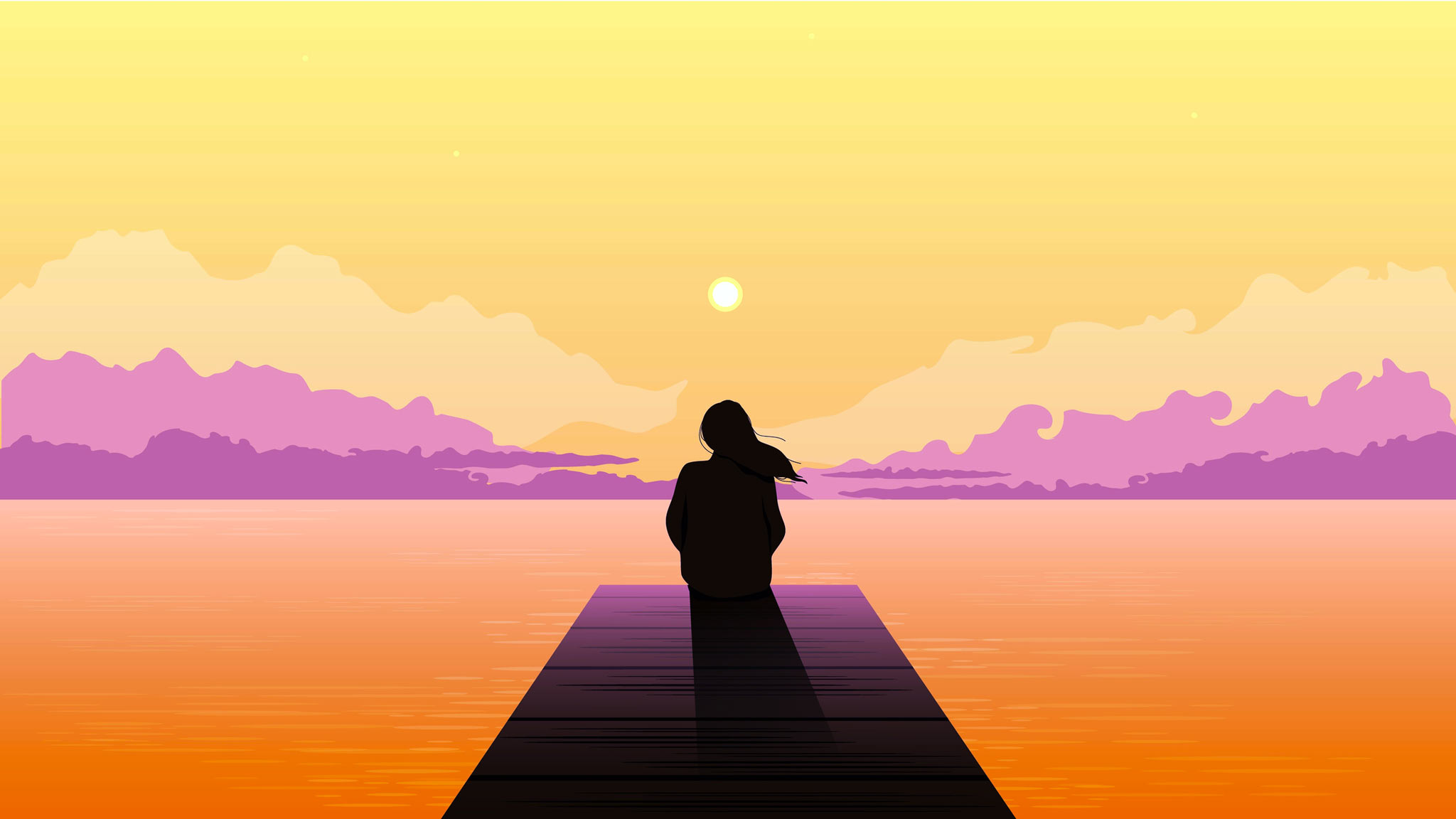
If June hits and suddenly you’re exhausted, unmotivated, and wondering why everyone else seems fine, you’re not imagining it. Reverse seasonal affective disorder (SAD) is a real condition, and for people in Southern California, it often arrives right on schedule with the gray skies and cool marine layer we call June Gloom.
“When everyone else seems energized by summer, and you don’t, it can feel like you’re the problem. You’re not!” – Chris Manno, AMFT therapist at Neuro Wellness Spa.
Reaching out today can give you the best chance of feeling like yourself again before summer slips by.
Why Does June Gloom Make People Feel Tired?
People outside of Southern California often aren’t familiar with the way summertime’s cloudy aura can affect moods. June Gloom is a coastal Southern California weather pattern that brings out cloudy, overcast skies and cooler temperatures starting toward the end of spring. The cause is the low-lying cloud coverage that comes in from the Pacific this time of year.
What Are the Symptoms of Reverse SAD?
June Gloom can leave you wondering why you feel down and depressed during the peak of summer. How is reverse SAD different from winter depression? The core symptoms are very similar, the main difference is when they show up. Low mood during summer in California is very similar to winter SAD.1 So, your symptoms can be nearly identical to those of someone experiencing SAD in a place like Maine in the middle of winter. It can feel like:
- Low energy
- Sadness
- Lack of motivation
- Disrupted sleep
- Social withdrawal
- Irritability
- Hopelessness
Sound familiar? Contact our mental health experts today. Support is closer than you think.
Clinically, this is called summer-pattern seasonal affective disorder (SAD), which comes with the same cluster of symptoms as winter SAD, just arriving in a different season.
This is a form of seasonal depression that peaks in late spring and early summer months instead of winter. Feeling worse emotionally in summer is the biggest telltale clue that this is part of your life. You are basically getting all of the classic symptoms of someone who would become depressed during cold weather and gray skies in a more northern or colder climate.
Some people with summertime depression feel fine the rest of the year. This can make the experience very jarring and confusing. It can also add to feelings of shame. For other people, SAD and summer depression are simply part of a larger mental health challenge. They may find that their symptoms of depression or anxiety escalate significantly during June without a known reason.
Why LA Residents Are Uniquely Affected by Summer Depression
This is a case where living in a place with a climate known for frequent sunshine can actually play tricks on your mental health. For Los Angeles residents, the expectation of sunshine that we all grow accustomed to can actually inflame SAD symptoms. You may not be acclimated to gray stretches. When they occur, the change is so shocking to your system that you find it hard to actually feel like yourself.
Can cloudy weather affect your mood? Yes, gray skies are associated with changes in serotonin levels, which can impact mood.2 A weather-related serotonin dip triggers symptoms like persistent sadness, anxiety, fatigue, and irritability. It can even transfer to more physical things like insomnia and digestive distress that can exacerbate your low mood and make you want to withdraw even further.
Some people with summertime depression and low serotonin also find that their cognitive skills take a tumble. It’s not uncommon for them to struggle with memory and focus. Some people also notice more physical discomfort, like headaches or body aches that show up.
Related: Summer Mental Health Self-Care Checklist
Why Getting Help Is Hard
When you describe symptoms of reverse seasonal depression to people in your life, they may simply tell you that you’re “just in a funk.” It can be hard for people who aren’t affected by June Gloom to understand the way your mood is being impacted by real environmental changes. People around you often aren’t looking for seasonal depression this time of year because they assume it only happens in winter climates.
This can make it harder to recognize when what you’re experiencing is actually more than a passing phase.
“You don’t have to earn your depression with a bad life for it to be real.”
— Chris Manno, AMFT, Neuro Wellness Spa.
You might notice that your mood feels low regardless of what’s going well in your life. Even on days when work is solid or you have plans you would normally enjoy, the heaviness is still there. With summer-pattern depression, the feeling tends to linger instead of passing. It’s not just a reaction to circumstances—it hangs around.
It’s normal for anyone to have an off day or a dip after something stressful. But when it’s seasonal depression, the mood doesn’t lift easily. It can last for days or weeks at a time, often without a clear external reason.
When Should You Seek Help for Seasonal Depression?
If June consistently feels heavier than it should, it may be time to get support. You may notice the days starting to blend together in a haze of low energy, irritability, or disconnection. That’s usually a sign that something deeper is going on and that you don’t have to just push through it on your own.
Talking with a mental health professional can help you better understand what’s happening and explore options that actually bring relief.
Therapy for summer depression can take different forms depending on your needs. Many people start with talk therapy to better understand patterns and build coping strategies. In some cases, medication can help stabilize mood during more difficult stretches.
For those who haven’t found enough relief through medication alone, transcranial magnetic stimulation (TMS) is another evidence-based option often used for depression that hasn’t responded to first-line treatments.3 TMS uses targeted magnetic pulses to activate areas of the brain involved in mood regulation.
You don’t have to spend your summer feeling disconnected or weighed down. We offer tailored depression treatment and mental health services designed to support people navigating seasonal depression. Your care is personalized, and many services are covered by insurance.
You deserve to actually enjoy your summer. Get in touch with our team at Neuro Wellness Spa and take the first step.
References
- Seasonal Affective Disorder. (2023). National Institute of Mental Health (NIMH). https://www.nimh.nih.gov/health/publications/seasonal-affective-disorder?
- Fight off gloomy-weather depression. (2017, February 25). The Ohio State University Wexner Medical Center. https://wexnermedical.osu.edu/our-stories/fight-off-gloomy-weather-depression
- Rizvi S, Khan AM. Use of Transcranial Magnetic Stimulation for Depression. Cureus. 2019 May 23;11(5):e4736. doi: 10.7759/cureus.4736. PMID: 31355095; PMCID: PMC6649915. https://pmc.ncbi.nlm.nih.gov/articles/PMC6649915/