
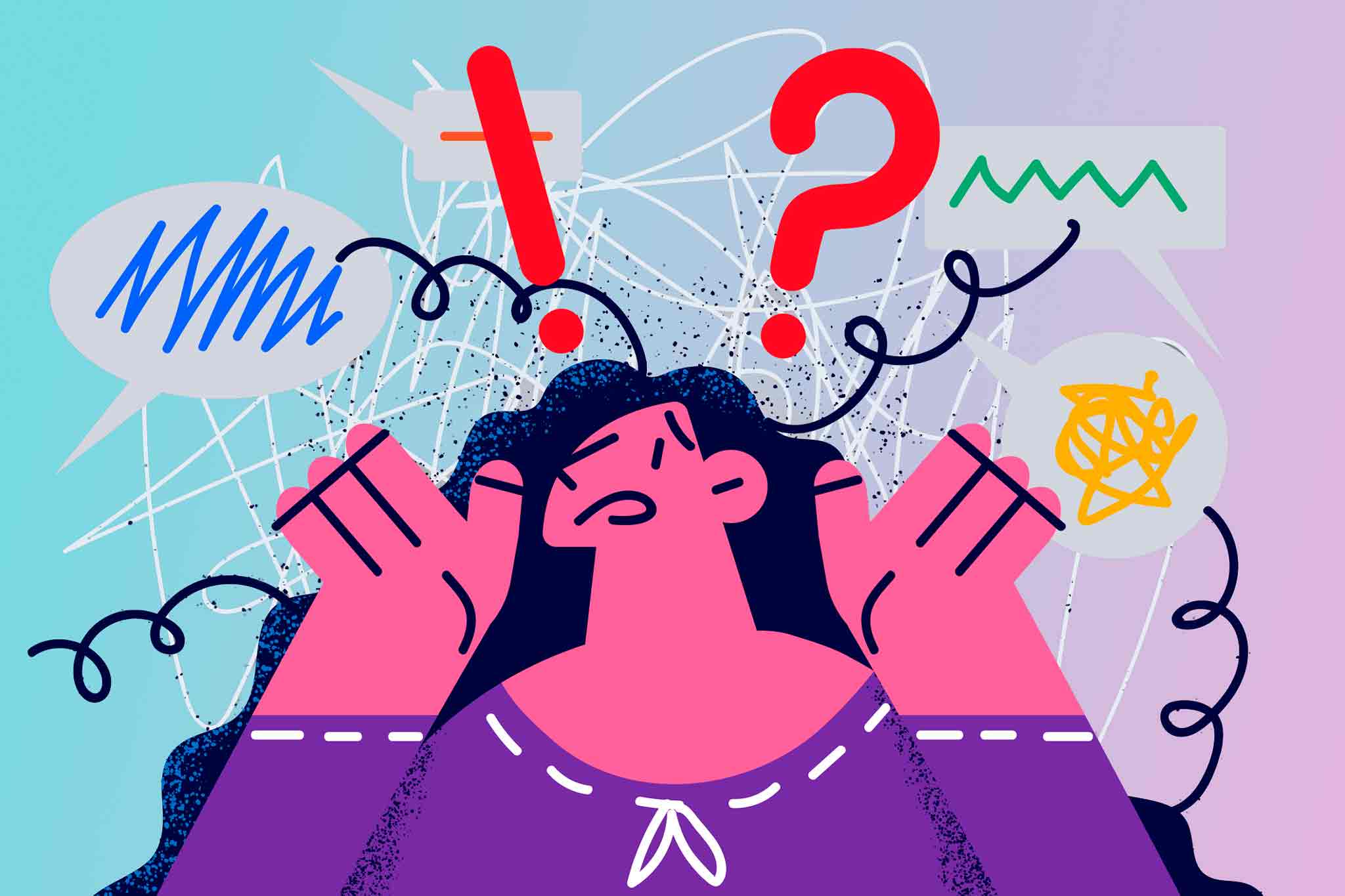
A panic attack can come out of nowhere. You can go from feeling okay to experiencing dizziness, a racing heart, and extreme distress in a flash. Anxiety is more like a constant companion — a persistent undercurrent of worry. Both are common experiences in mental health conditions like generalized anxiety disorder, post-traumatic stress disorder (PTSD), and panic disorder. However, knowing which one affects you is the starting point for getting the right help.
What the Physical Symptoms of a Panic Attack Feel Like
Panic attacks tend to be more acute, especially unexpected panic attacks, which can strike without warning — even during sleep. Many symptoms overlap with anxiety, which is why clinicians look at onset, duration, and intensity to tell them apart.
Panic attacks come on suddenly and can happen unexpectedly, sometimes with no apparent reason, as a sudden rush of overwhelming fear or discomfort. There’s often an intense fear, a sense of impending doom, or a feeling of losing control. People experiencing panic attacks are in an intense fight-or-flight response.1 Physical and cognitive panic attack symptoms include:2
- Palpitations, pounding heart, or rapid heart rate
- Sweating
- Trembling or shaking
- Shortness of breath or feelings of smothering
- Feelings of choking
- Chest pain or discomfort
- Nausea or abdominal distress
- Dizziness, unsteadiness, lightheadedness, or faintness
- Chills or heat sensations
- Numbness or tingling (paresthesias)
- Feelings of unreality (derealization) or feeling detached from yourself (depersonalization)
- Fear of losing control
- Fear of dying
To meet the clinical definition of a panic attack, at least four of these symptoms must occur during an abrupt surge that peaks within minutes and typically subsides within 20 to 30 minutes.3
If any of these symptoms feel familiar, you don’t have to figure it out alone. Reach out — we’re here to help you through it.
What Anxiety Feels Like
Intense anxiety episodes are more gradual and are often a feature of underlying anxiety disorders like generalized anxiety disorder. An “anxiety attack” is a common nonclinical phrase people use to describe escalating anxiety — it’s not a formal diagnosis, but the experience is very real. There may always be a baseline level of anxiety present, but it can build over time, and levels can ebb and flow hourly or daily.
Anxiety is usually tied to ongoing stress or worry — about work, health, relationships, daily responsibilities, or a future event. Anxiety episodes are often linked to long-term stress and may be triggered by social situations, work pressure, financial concerns, health worries, or traumatic events. Panic attack triggers aren’t always known; in fact, unexpected panic attacks occur without any obvious trigger at all. However, expected panic attacks can be triggered by specific situations, such as being in a crowd or an enclosed space.
Physical anxiety symptoms can include rapid heart rate or heart palpitations, muscle tension, headaches, and digestive issues. A person may also feel restless, on edge, easily fatigued, have difficulty concentrating, or experience trouble sleeping.
Seeking distractions from anxiety is normal, especially if you are experiencing anxiety for long periods or feel anxious throughout the day. You may “zone out” with social media or streaming. Anxiety can also look like avoidance — procrastinating, staying in bed, or steering clear of responsibilities.
Related: What Is Anxiety?
Panic Attack vs Anxiety: Key Differences
A panic attack is more like an event. Anxiety is more like an ongoing state, even though both can feel overwhelming in different ways. Here are some other ways to tell the difference:
- Onset: A panic attack is sudden and intense — it can strike out of the blue, while anxiety usually builds gradually around a stressor or ongoing worry.
- Duration: Panic attacks typically peak within minutes and can subside relatively quickly, while anxiety can last for hours or longer as stress builds over time.
- Intensity: A panic attack is typically more intense than general anxiety, with severe physical symptoms that can feel overwhelming.
Not sure if you’re dealing with anxiety or panic attacks? That’s exactly what we’re here for. Reach out to talk with an anxiety expert today.
The simplest way to tell the difference: Are the physical symptoms sudden, surprising, and intense? Did they peak within minutes? It could be a panic attack. Did the feeling build slowly? Was there a specific worry or stressor driving it? It’s more likely to be anxiety.
Some people with anxiety also experience panic attacks. A person who has “sudden” panic attacks may not realize they’ve been in a state of heightened anxiety for hours before the event.
Why the Difference Matters (and When It Doesn’t)
Both panic attacks and anxiety are serious and deserve support. There’s no “competition” between which one needs more attention. In both cases, your body’s stress response is activated — but they engage the brain differently. Panic tends to involve a rapid alarm response, while anxiety is more connected to ongoing anticipation and worry. Getting help matters more than settling on a label.
That said, identifying your symptoms helps with diagnosis. For example, generalized anxiety disorder involves persistent, excessive worry on most days for at least six months, while panic disorder is defined by recurrent unexpected panic attacks along with ongoing concern about future attacks. These distinctions, as outlined by the American Psychiatric Association in the Diagnostic and Statistical Manual of Mental Disorders (DSM-5), help guide accurate diagnosis and treatment. Knowing the difference helps ensure you’re getting the right care.
Panic Attack, Anxiety, or Heart Attack?
People experiencing panic attacks or intense anxiety sometimes believe they are having a heart attack. The symptoms can genuinely be that severe, and the overlap is real — both can involve chest pain, shortness of breath, and a racing heart.
Always seek emergency medical care if you experience chest pain, especially if it radiates to your jaw, shoulder, arm, or back, or if it’s accompanied by shortness of breath, sweating, nausea, or lightheadedness. This is especially important if you have a personal or family history of heart disease.
Some key differences: Heart attack symptoms often involve chest pressure or discomfort that may radiate, and symptoms tend to worsen over time rather than resolve quickly.4 Panic attack symptoms typically peak within minutes and then gradually subside. However, these distinctions are not always clear-cut — when in doubt, call 911 or go to the emergency room.
When to Seek Professional Support
Don’t assume you have to live with panic attacks or anxiety. Many people manage their symptoms effectively with the right support. Consider seeking help if:
- Symptoms are frequent or getting worse
- Panic or anxiety interferes with work, relationships, or daily life
- You don’t understand why you feel this way
- You’ve started changing your habits or avoiding situations to prevent symptoms
Panic attacks and anxiety are more common than most people realize. But untreated symptoms can gradually take a toll on your quality of life.
If anxiety is frequently affecting you, it’s time to talk to someone. We’re here to chat — let’s figure out next steps together.
Panic and Anxiety Are Treatable
Molly Hanna, PMHNP-BC, a psychiatric nurse practitioner at Neuro Wellness Spa, offers this perspective to anyone who’s feeling overwhelmed:
“Panic and anxiety can feel confusing and isolating, but they are among the most treatable conditions in mental health. Whether your symptoms come on suddenly or build over time, the most important step is reaching out — because understanding what’s happening is the first step toward feeling better.”
Anxiety treatment works by helping you understand what’s driving your anxiety or panic and building tools to respond differently. With the right support, most people see real improvement in their symptoms and day-to-day quality of life. At Neuro Wellness Spa, we offer a few different paths to get there. We also help clients build coping strategies and relaxation techniques they can use between sessions, including deep breathing exercises and progressive muscle relaxation to regain control during difficult moments.
- Talk therapy, including cognitive behavioral therapy (CBT), helps you identify and shift the thought patterns that fuel anxiety. CBT is considered the gold standard for treating both anxiety and panic, with strong evidence supporting its effectiveness.
- Psychiatry can explore whether medication might offer relief, particularly SSRIs and SNRIs, which are commonly prescribed as a long-term option within a personalized treatment plan.
- TMS (transcranial magnetic stimulation) therapy is a non-invasive treatment that targets areas of the brain involved in mood and anxiety. It is FDA-cleared for depression and has shown emerging promise for anxiety symptoms, and may be covered by insurance.
There’s no single right answer — just the one that works for you. The goal is to help you find the root cause, manage your triggers, and feel like yourself again. Exposure therapy may also be used when fear is tied to specific triggers or avoidance patterns.
Frequently asked questions
Read through our FAQ for any questions you may have about panic attacks and anxiety attacks or give us a call today. We are here to answer your questions and support you or your loved one through their healing journey.
How can I tell if it’s a panic attack or anxiety?
A panic attack versus an anxiety episode can be hard to distinguish in the moment, and both may feel similarly overwhelming. Panic attacks involve sudden, intense physical and cognitive symptoms — like chest pain, shortness of breath, and fear of dying — that peak within minutes, sometimes without any obvious trigger. Anxiety tends to build gradually and is usually connected to a specific worry or stressor. “Anxiety attack” is a common informal term rather than a formal diagnosis.
Should I lie down during a panic attack?
It’s generally best to sit upright or ground yourself, as this can promote better breathing. The most important thing is to get into a position where you feel safe and can focus on slow, steady breaths.
Can I prevent panic attacks?
Many people significantly reduce or eliminate panic attacks through cognitive behavioral therapy (CBT), which helps retrain the brain’s response to perceived threats. When relevant, prevention also depends on addressing triggers linked to specific phobias, social anxiety disorder, or other mental health conditions. Lifestyle factors — consistent sleep, regular exercise, limiting caffeine and alcohol, and stress management techniques like mindfulness — can also help reduce the frequency and severity of attacks.
References
- Kyriakoulis, P., & Kyrios, M. (2023). Biological and cognitive theories explaining panic disorder: A narrative review. Frontiers in Psychiatry, 14, 1–11. https://doi.org/10.3389/fpsyt.2023.957515
- Raju NN, Naga Pavan Kumar KSVR, Nihal G. Clinical Practice Guidelines for Assessment and Management of Anxiety and Panic Disorders in Emergency Setting. Indian J Psychiatry. 2023 Feb;65(2):181-185. doi: 10.4103/indianjpsychiatry.indianjpsychiatry_489_22. Epub 2023 Jan 30. PMID: 37063628; PMCID: PMC10096212. https://pmc.ncbi.nlm.nih.gov/articles/PMC10096212/
- National Institute of Mental Health. (2022). Panic Disorder: When Fear Overwhelms. National Institute of Mental Health. https://www.nimh.nih.gov/health/publications/panic-disorder-when-fear-overwhelms
- How to tell the difference between a heart attack and panic attack. (July, 2022). Www.heart.org. https://www.heart.org/en/news/2022/07/13/how-to-tell-the-difference-between-a-heart-attack-and-panic-attack