

Anxiety disorders are common mental health conditions that affect 1 in every 8 adults in the US. If you’re struggling with anxiety, it can be hard to know where to turn for help.
Many people feel overwhelmed by the idea of discussing their mental health concerns with a doctor, unsure of what to say or where to begin the conversation. However, talking to your doctor is a crucial first step toward getting the support and treatment you need. Here’s a guide that can help you prepare for that important conversation, ensuring you feel confident and ready to advocate for your mental health.
Our psychiatrists offer evidence-based mental health treatments and the latest psychiatric medication options through convenient online visits across California or in-person at our locations in the Los Angeles area. Schedule your appointment today.
Information To Share With Your Doctor About Your Anxiety
When it comes to how to talk to your doctor about anxiety, it’s important to be organized and prepared. To help you get started, here’s a list of important questions about your mental health that your doctor may ask you when the time comes.
1. How long have you been struggling with anxiety?
Understanding how long you have been struggling with anxiety will be one of the most important pieces of information for a mental health professional to know. It is generally accepted that an anxiety disorder can develop as a result of genetics, environmental factors, and life experiences.
2. What are your current symptoms?
When you meet with your psychiatrist, it’s important to be as specific as possible about your mental and physical symptoms. While anxiety is a general term, there are many different types of anxiety disorders — such as social anxiety disorder — and they can have very different presentations. As such, it’s essential that you give a detailed description of your symptoms to your doctor, especially if you have been experiencing them for a long time.
If you’re unsure of the exact name of your anxiety disorder, it can be helpful to bring along a list of the signs and symptoms to help your doctor get a better idea of your condition. Some of the most common mild to severe anxiety symptoms include:
Emotional or mental symptoms of anxiety include:
- Nervousness, restlessness, and agitation.
- Difficulty concentrating.
- Depression.
- Paranoia.
- Suicidal ideation or intrusive thoughts.
If you are experiencing thoughts of harming yourself or others, contact the 988 Suicide and Crisis Lifeline immediately.
Physical symptoms of anxiety include:
- Tingling in the extremities.
- Fatigue and insomnia.
- Muscle tension.
- Rapid heartbeat (palpitations) and chest pain.
- Shortness of breath.
- Sweating, hot flashes, and chills.
- Nausea and abdominal pain.
- Dizziness and blurred vision.
3. What medications or other treatments have you tried?
If you’ve tried medications for your anxiety in the past, it’s important that you share this information with your doctor. In addition to sharing what medications you have tried, it is also important that you share the dosages that you have prescribed as well as the length of time that you took these medications. Be sure to include any herbal supplements you have been taking, as some supplements such as Ginko Biloba or St. John’s Wort can interact with other medicines and may cause health problems.
4. Have you experienced any side effects of anxiety medications?
Your doctor will want to know about any side effects and treatment outcomes — positive, negative, or neutral — that you experienced when taking anxiety medications.
5. Have you used or are you currently using recreational drugs?
Oftentimes, people with social anxiety will use recreational drugs as a way to self-medicate and treat their anxiety disorder. When someone drinks alcohol or misuses other substances like marijuana or benzodiazepines, it may temporarily relieve some of their anxious feelings. However, substance use is not a long-term effective treatment when they are not prescribed medicine, and these habits may lead to more severe depression, anxiety, and other mental health conditions.
6. What type of talk therapy have you tried?
Therapy for anxiety has been shown to be very effective at alleviating symptoms, reframing anxious thoughts, and teaching effective coping skills. However, there are many different types of therapy available, each with its own unique benefits. Be sure to discuss with your doctor what types of therapy you have tried in the past.
7. What type of treatment would you like to learn more about?
If you’ve done your research and you’re curious to learn more about certain treatment options for anxiety, do not be afraid to ask and advocate for yourself. Alternative care approaches like transcranial magnetic stimulation (TMS) therapy for anxiety can help alleviate symptoms or simultaneously treat co-occurring depression.
8. What are your treatment goals?
Finally, it can be helpful to communicate with your psychiatrist or mental health professional any specific treatment goals you have for your anxiety. When your provider knows exactly what you expect out of anxiety treatment, they will be able to more accurately support you as you begin your journey to mental wellness.
Related:
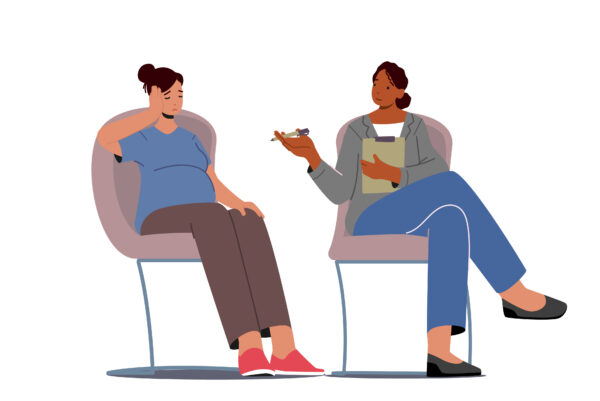
Questions To Ask Your Psychiatrist About Anxiety
In addition to the information your provider will ask you about your mental health, you may also want to prepare some questions to ask them. Here are a list of questions you can bring to your first appointment that will inform your understanding of care.
1. What type of anxiety do I have?
There are many different types of anxiety disorders, including:
- Generalized Anxiety Disorder (GAD): A condition characterized by a constant sense of worry and fear, even when there is little to actually worry about. Symptoms of GAD include muscle tension and fatigue, shortness of breath, the inability to concentrate, and irritability.
- Separation Anxiety Disorder: A disorder characterized by excessive fear of being away from home or from someone that the individual cares about. This type of anxiety is often seen in teenagers, but can also develop in adults.
- Panic Disorder: A condition characterized by recurrent, unexpected panic attacks — sudden episodes of intense fear with physical symptoms like rapid heartbeat, sweating, and shortness of breath — along with persistent worry about having future attacks.
- Agoraphobia: A disorder involving intense fear of situations where escape might be difficult or help will be unavailable. It often occurs in environments such as crowds, public transportation, or open spaces, often leading to avoidance of these situations.
- Specific phobia: An intense, irrational fear of a particular object or situation — such as heights, animals, blood, or flying — that leads to avoidance behaviors and causes significant stress or impairment.
- Selective mutism: A condition most commonly seen in children where an individual consistently fails to speak in specific social situations — like school — despite speaking normally in other settings — like at home.
Additionally, you may think you have an anxiety disorder, but you actually have a different yet related condition, such as obsessive-compulsive disorder (OCD) — a type of obsessive-compulsive and related disorder.
2. What are my treatment options?
Once you have determined the severity of your anxiety disorder, your doctor will be able to help you seek treatment by recommending the best treatment options for you. This may include recommending prescription medications for anxiety, talk therapy, or lifestyle changes.
3. Are there any medications or behavioral therapies that you recommend for me?
Your doctors will be able to recommend a treatment plan based on your symptoms and the severity of your anxiety, which may include certain types of psychiatric medications. They may also be able to offer professional medical advice on how to cope with panic attacks and engage in stress management.
4. What side effects should I watch for?
It’s important to know about any possible side effects of the medication that you are taking, as well as any side effects that may arise from withdrawing from the medication. This will help you weigh the pros and cons of medication to determine if it’s right for you.
5. How long do I need to take this medication?
Many people assume that they will need to take medication forever, but often, this is not the case. Your doctor will be able to help you understand how long to stay on treatment before you can taper off it.
6. What type of support system do I need in order to be successful?
Many individuals with anxiety find that they need a strong support system in order to be successful. Having a strong support system can include:
- Therapists: Therapy is essential for treating any type of mental illness. Depending on the type of therapist you have, they will utilize different approaches to help you understand your disorder and how you can overcome it.
- Psychiatrists: Your doctor will be able to prescribe any psychiatric medications that you may need, as well as monitor your progress throughout treatment.
- Friends and family: These individuals can be invaluable sources of support. They can help you stay on track with your treatment plan and offer encouragement when you feel like giving up.
If you decide to talk to your doctor, you may be feeling anxious about receiving health care for a mental health condition. However, if your symptoms interfere with your overall health, or you feel like you’re losing control, the first step should be to have a conversation with a professional.
The most important thing is to be honest about your mental health concerns. Doctors and other mental health professionals are there to help you and you shouldn’t feel embarrassed to share the symptoms that you’re dealing with. Your mental health is a serious matter, and it’s a large part of how you experience daily life.
Related:
How Neuro Wellness Spa Can Treat Anxiety in California
If you are struggling with anxiety, it is important to seek help from a mental health professional. The mental health experts at Neuro Wellness Spa will work with you to thoroughly understand the impact that anxiety is having on your life and advise on the best anxiety treatment for you. All of our treatments are well known to reduce anxiety symptoms; whether it is psychotherapy to help you live in the moment rather than the future, psychiatric medications to increase serotonin in the brain, or TMS therapy to improve the functioning of your neural circuitry, we will identify the treatment that will get you back on track.
Contact us today to get started with anxiety treatment or to learn more about the other mental health conditions we can treat.