
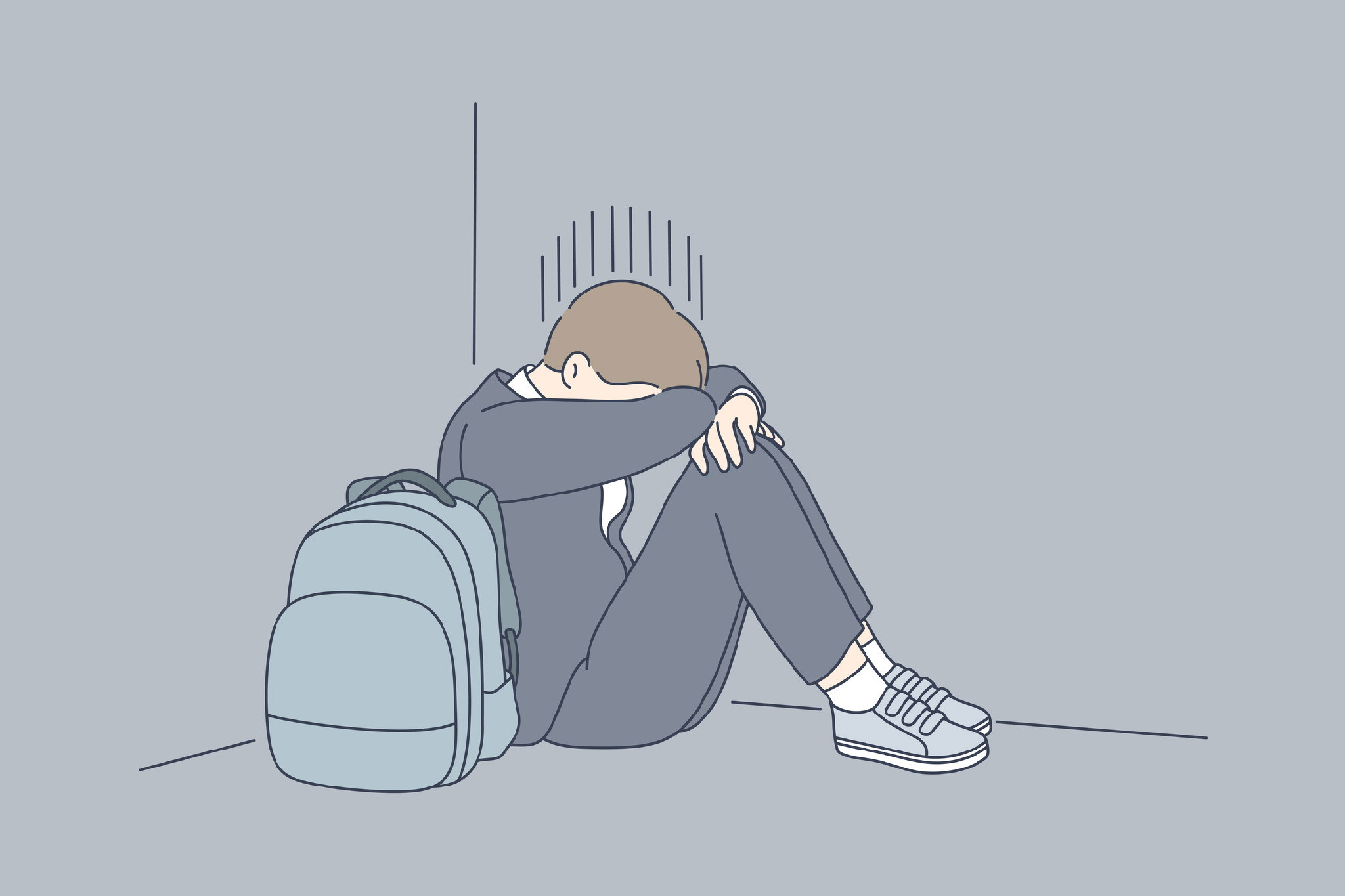
If you’re a busy parent that finds yourself rushing in the morning to get ready for work while prepping your child for school, you know that any setback can throw off the entire morning. Sometimes, these setbacks come in the form of your child’s insistent reluctance to attend or stay in school. While it’s normal for your child to occasionally resist wanting to go to school, frequent avoidance behaviors or school absenteeism driven by unhealthy levels of anxiety or stress may indicate a bigger issue, called school refusal — otherwise known as school avoidance or school phobia.
School refusal occurs in an estimated 1% to 7% of the population of school-aged children.1 This range discrepancy underscores the need for more research on the subject, and the inconsistent ways school refusal is defined. However, this doesn’t take away from the fact that school refusal is a concerning issue that deserves attention and may require mental health support.
Here’s what you need to know about school refusal, it’s underlying risk factors, and what it says about your child’s mental health, so they can start their back-to-school season with confidence and emotional resilience.
Our psychiatrists offer evidence-based mental health treatments and the latest psychiatric medication options through convenient online visits across California or in-person at our locations in the Los Angeles area. Schedule your appointment today.
What Is School Refusal? Recognizing School Refusal as a Symptom of Something Bigger
Recognizing consistent school refusal can help determine if your child needs further support, and what mental health conditions this behavior may be symptomatic of.
Defining school refusal vs. truancy
Simply put, school refusal is when a student habitually refuses to go to school or struggles to stay in school. It’s not a mental health condition that can receive a diagnosis, as it doesn’t have a classification outlined in the Diagnostic and Statistical Manual of Mental Disorders (DSM-5-TR). Rather, it’s typically a symptom of an underlying mental health condition, such as depression, anxiety, or a trauma- and stressor-related disorder.2
School refusal is distinct from truancy, as truancy occurs without parental awareness, while school refusal typically occurs with the parents knowledge. If your teen is exhibiting school refusal behaviors, they will likely avoid school in plain sight of you, self-isolating in the house.
Here’s a breakdown of how to distinguish between the two behaviors:
- Truancy: When a child is truant, they skip school without the parent’s awareness of it. A parent is typically made aware of their child’s truant behavior once the school contacts them and informs them that their child has extended absences.
- School refusal: This behavior typically shows up when your child is getting ready for school, initially exhibiting stress and feeling anxious about attending school. Over time, this stress can escalate into full-blown school refusal, where your teen regularly is absent from school or struggles to stay in school.
Signs that school avoidance may be linked to a mental health condition
School refusal isn’t a diagnosable mental health disorder, but rather, it is a symptom of one. Therefore, it’s important to watch for red flags that your child’s school avoidance is tied to severe emotional distress by noticing timing-specific physical symptoms, behavioral indicators, and psychological responses. If these patterns persist, consulting with a clinical psychologist can help determine the underlying causes.
Timing-specific physical manifestations include:
- Somatic complaints where children feel sick with headaches, digestive issues, sore throat, or illness that occur only before school or during school hours.
- “Sunday scaries,” which are displays of anxiety or other related symptoms that consistently emerge on Sunday before the school week.
- Morning symptom spikes, which are increases in mental health symptom severity and frequency as your child prepares to go to school.
- Sleep disturbances, which can include insomnia or school-related nightmares that mostly occur on school nights.
Behavioral indicators include:
- Escalating school resistance, which can progress into physically resisting going to school.
- Unhealthy perfectionism that perpetuates procrastination and anxious behaviors.
- Avoiding school-related conversations, which include talks involving grades, teachers, or classroom peers.
- Anxious or regressive behaviors, such as clinginess or bedwetting.
Emotional responses and social and academic performance changes include:
- Panic attacks related to school.
- Feelings of hopelessness or catastrophic thinking when school subjects are brought up.
- Worrisome drop in grades or academic performance fueled by a declining interest in school.
- Increased frequency of school-related arguments, particularly regarding attendance.
These symptom presentations often overlap across age groups and should not be considered a strict diagnostic rubric.
Age-specific presentations
Depending on the age of your child, school refusal can present differently based on where they are in their development. Here’s what that looks like.
Elementary-age school refusal typically presents with symptoms that include:
- Separation anxiety.
- Physical complaints.
- Clingy behavior.
Middle school-age school refusal typically presents with symptoms that include:
- Academic pressure.
- Social anxiety.
- Peer concerns.
High school-age school refusal typically presents with symptoms that include:
- Perfectionism.
- Depression.
- Future-focused anxiety.
It’s important to remember that these various symptom presentations can overlap across different age groups as well.
Related: TMS for Adolescents
The Mental Health Conditions That Drive School Refusal
School refusal is often caused by various mental health issues — it isn’t simply because your child doesn’t like going to school. Recognizing the cause of your teen’s school refusal that’s rooted in mental health struggles is key to finding effective treatment.
Anxiety disorders and school avoidance
Anxiety disorders — particularly separation anxiety disorder — are among the leading causes of school refusal.3 There are various types of anxiety disorders that lead to school refusal in children, including:4
- Separation anxiety: This type of anxiety involves intense fear of being away from home or loved ones, leading to reluctance to leave for school. Studies indicate a strong bidirectional relationship: school refusal is reported in about 75% of children with separation anxiety disorder, while separation anxiety disorder is found in up to 80% of children with school refusal.4
- Social anxiety disorder: This condition is characterized by excessive, uncontrollable fear or worry about being judged by others in social or public settings. It can lead to avoidance behaviors and is among the leading causes of school refusal.
- Generalized anxiety disorder (GAD): Around 1% to 3% of teens struggle with GAD, which can stem from social stress, academic pressure, fear of judgment by teachers or peers, or the overwhelm of changes they are facing.5
- Panic disorder: Some children may experience panic attacks at school, which can be caused by something random or triggered by a specific stimulus. If your child has experienced even one school-related panic attack, the mere fear of having another can drive school avoidance behaviors.
- Specific phobias: In school environments or during class activities, younger children might develop phobias. A phobia can be a fear around something situational, an object, or even specific school-related triggers such as using public restrooms, taking tests, public speaking, or crowded hallways.
- Obsessive-compulsive disorder (OCD): Characterized by intrusive thoughts or compulsions such as contamination fears that interfere with school attendance. If your child has OCD, they may avoid school to prevent touching dirty surfaces or people, or even because they have perfectionist tendencies that trigger paralyzing anxiety of making a mistake.
- Selective mutism: This is an inability to speak in school settings due to anxiety, often resulting in social withdrawal and refusal.
Depression and school withdrawal
Depression symptoms often manifests as low mood, excessive fatigue, sleep disturbances, anhedonia or the loss of interest in daily activities and responsibilities, hopelessness, loneliness, self-isolation, and lack of motivation. These symptoms can directly contribute to school refusal, as a teen with depression may be plagued with a “What’s the point?” mentality toward their education and daily responsibilities. If you notice your child avoiding school, it’s important to seek early treatment for depression because as these symptoms go untreated and progress in severity, they may eventually lead to suicidal ideation.
Trauma-related school refusal
If your child is being bullied at school or has been exposed to media coverage of school shootings, it can trigger trauma responses that perpetuate school refusal. Within school environments in the U.S., these safety concerns can lead to hypervigilance and cause a student to dread attending school over time.
Furthermore, issues at home can contribute familial trauma, which has a strong correlation with lack of school attendance. One study overview found that of those who exhibited school refusal behaviors, approximately 56% experienced family conflicts, 31% experienced child abuse, and 23% witnessed domestic abuse in their home.4
Other contributing mental health causes
It’s important to consider other mental health conditions that contribute to school refusal like ADHD, autism, substance use, and eating disorders.
- Attention-deficit/hyperactivity disorder (ADHD): When struggling with ADHD symptoms, there are many focus issues along with executive dysfunction struggles. Beginning tasks, staying on task, and completing tasks are extremely difficult for young people with ADHD. Overall, school-aged children need more supportive environments to perform, yet these school environments tend to implement one-size-fits-all accommodations.
- Autism spectrum disorder (ASD): School environments are extremely overwhelming in terms of sensory and social stimulation. Not only do you have to interact with people all day, but the lighting, noise, and smells can often be too much to bear, especially for those with autism. Changes in routine, unexpected events, and social demands can create significant stress for children with autism, and struggles with communication and social misunderstandings can make the school environment feel even more hostile and confusing.
- Eating disorders: Worrying about your body image and how it’s perceived by others can be a significant hurdle that affects your child’s school attendance. If your child is struggling with an eating disorder, attending school can be daunting as school lunchtimes, lockerrooms, P.E. classes, and constant self-comparisons to peers can escalate symptoms.
- Substance use disorders (SUDs): As substance use becomes frequent with your child, it can become the cause for school avoidance. Young people might skip school to use substances, or because their withdrawals make attending school too difficult.
- Oppositional defiant disorder (ODD): This disruptive behavioral disorder is characterized by uncooperative and hostile attitudes toward authoritative figures.6 In the context of school refusal, students may avoid school because they are defiant toward teachers, principals, school staff, or their parents.
- Adjustment disorder: Your child may have this mental health disorder if they struggle with adapting or coping with dramatic life changes, such as divorce or attending a new school. This can be a cause of school refusal if they don’t practice healthy coping mechanisms for the stress they feel.
These mental health struggles are often perpetuated by environmental factors, such as bullying that causes low self-worth, fear of gun violence that causes anxiety, or dramatic life changes that leave your child in distress.
Related: Gaming Addiction in Teens
The Dangerous Cycle: How School Refusal Perpetuates Mental Health Challenges
As discussed, school refusal is typically a symptom of a mental health disorder. When mental health declines, children are more likely to avoid school even more, perpetuating a dangerous cycle.
Academic consequences and increased anxiety
When your child misses school, they ignore academic responsibilities, which results in them falling behind and receiving poor grades. This can create academic gaps that become harder to close the further behind they get in their studies. Academic failure reinforces negative self-esteem, which often pushes them to give up or isolate even more. Once students are faced with academic failure — or when your teen’s anxiety regarding the looming pile of schoolwork becomes unavoidable — re-engaging with school becomes increasingly difficult, and your child may choose to lean into their school avoidance tendencies even more.
Social isolation and peer relationship impact
School absences not only affect academics, but peer relationships as well. It can be hard for your child to maintain friendships when they’re isolating themselves, and school refusal behavior might cause them to develop social anxiety, which could make social connection even more difficult. The less your teen connects with peers, the more they miss out on normal developmental social experiences that are critical for their growth. Over time, this isolation can lead to worsened mental health conditions and perpetuate school refusal.
Family stress and system impact
Family stress related to school refusal can put strain on parent-child relationships. As this occurs, family dynamics may shift and routines can be disrupted within the home. When home life is in disarray and brings anxiety to your child, it can leave them feeling unsafe. Additionally, family members can contribute to trauma through their own issues — for example, when two parents are constantly fighting or there is domestic abuse. This can traumatize children when it becomes consistent and seemingly unavoidable.
Furthermore, financial stress, logistical challenges with separated parents, and lack of ample supervision can all contribute to your child being impacted by familial issues. When you address the issues and work to improve them, it can help support your child so they feel more at ease.
According to PMHNP Jamie Waarbroek, “Teens who refuse school may be dealing with anxiety, depression, or trauma, and need understanding and a team effort to help them cope. Early support, like various therapies and family involvement, can prevent lasting school and mental health struggles.”
Related: What Parents Need To Know About Depression in College Students
Supporting Your Child Through Recovery: A Family-Centered Approach
Managing school refusal recovery often requires professional help, but your role as a parent remains crucial in creating the supportive foundation your child needs to heal.
Understanding vs. enabling: finding the balance
As your child receives mental health treatment, it’s essential to distinguish between supportive and enabling behaviors. Supportive actions help your child develop coping skills and build confidence, while enabling behaviors inadvertently reinforce avoidance tendencies and prevent growth.
Effective support includes:
- Consistent expectations and boundaries that provide security and predictability.
- Validating your child’s emotions while encouraging school attendance progress.
- Celebrating small wins and acknowledging effort, not just outcomes.
Remember that self-care isn’t selfish — it’s necessary. When you’re emotionally depleted, your ability to remain patient and supportive diminishes. Taking care of yourself models healthy coping behaviors and ensures you have the emotional resources your child needs during this challenging time.
Creating an encouraging home environment
A structured, nurturing, and compassionate home environment significantly benefits your child’s recovery. Consider implementing:
- Stress reduction activities: Regular family walks, creative outlets like art or music, journaling, or physical movement.
- Predictable routines and structure: Consistent meal times, bedtime rituals, and daily schedules that provide stability.
- Open, effective communication: Regular check-ins, active listening, and creating safe spaces for your child to express their feelings.
Involving the entire family in these strategies can ensure consistency and support from all household members. Remember to stay vigilant for concerning changes like significant behavioral shifts, expressions of self-harm, or worsening symptoms, which may signal the need for immediate professional intervention.
Related: Therapy for New Parents
How Neuro Wellness Spa Can Treat School Refusal
At Neuro Wellness Spa, we have a care team consisting of knowledgeable, empathetic mental health professionals who specialize in adolescent psychiatry and teen mental health and can provide comprehensive support for your child. With our evidence-based treatments, holistic modalities, and medication management when needed, we offer well-rounded treatment options to address school anxiety.
Our therapists conduct goal-based sessions to tackle the overwhelming anxiety your child may be experiencing, whether it stems from school, underlying mental health conditions, familial stress, or other sources. While anxiety or depression that leads to school refusal cannot be eliminated overnight, it can certainly be effectively managed. Contact Neuro Wellness Spa today, so your child can regain control of their life and develop the tools to carry them through these pivotal years.
FAQ: School Refusal
Here are answers to some frequently asked questions about school refusal.
The most recent data shows that school refusal occurs in approximately 1% to 7% of students.1 This broad range can be attributed to the inconsistent ways in which school refusal is defined and distinguished from truancy. Additionally, there are certain populations where school refusal may more common, such as those with an anxiety or depression diagnosis.
Children within the age ranges of 5 to 7 years old and 11 to 14 years old experience the highest rates of school refusal.7
This is a common question about school refusal that doesn’t have a universally agreed upon answer. However, a study published by the National Library of Medicine outlined four causes of school refusal:8
1. Negative emotions regarding school-related situations.
2. Uncomfortable social situations that perpetuate escapism behaviors.
3. Attention seeking from parents, caregivers, or other authority figures.
4. Pursuing or preoccupation with non-school-related activities.
References
- Heyne, D., & Brouwer-Borghuis, M. (2022). Signposts for school refusal interventions, based on the views of stakeholders. Continuity in Education, 3(1), 25–40. https://doi.org/10.5334/cie.42
- School Avoidance Alliance. (2024, February 29). School Avoidance Facts – School Avoidance Alliance. https://schoolavoidance.org/school-avoidance-facts/
- Sahoo, M., & Biswas, H. (2023). A study on psychiatric conditions in children with school refusal- A clinic based study. Journal of Family Medicine and Primary Care, 12(1), 160–164. https://doi.org/10.4103/jfmpc.jfmpc_1200_22
- Di Vincenzo, C., Pontillo, M., Bellantoni, D., Di Luzio, M., Lala, M. R., Villa, M., Demaria, F., & Vicari, S. (2024). School refusal behavior in children and adolescents: a five-year narrative review of clinical significance and psychopathological profiles. the Italian Journal of Pediatrics/Italian Journal of Pediatrics, 50(1). https://doi.org/10.1186/s13052-024-01667-0
- Gale, C. K., & Millichamp, J. (2016, January 13). Generalised anxiety disorder in children and adolescents. https://pmc.ncbi.nlm.nih.gov/articles/PMC4711893/
- Https://www.hopkinsmedicine.org/-/media/images/Johns-Hopkins-medicine-logo-horizontal-full-color.svg. (2024, November 29). Johns Hopkins Medicine. https://www.hopkinsmedicine.org/health/conditions-and-diseases/oppositional-defiant-disorder
- Aacap. (n.d.). School refusal. https://www.aacap.org/AACAP/Families_and_Youth/Facts_for_Families/FFF-Guide/School-Refusal-007.aspx